
Uncategorized
Tannins in Wine: Effect, Significance, and Influence on Taste

Jul
How Tannins Affect the Structure of Wine: Mechanisms and Effects
Tannins are fascinating natural polyphenols found in the skins, seeds, and stems of grapes. They significantly contribute to the structure of the wine and influence its texture and stability in many ways. Let's take a look at the most important mechanisms and effects:
Astringency
A prominent characteristic of tannins in wine is their Astringency. You may have already experienced it: that dry, sometimes slightly bitter feeling in your mouth. This sensation arises from the ability of tannins to bind and denature salivary proteins. As a result, the sensitive oral mucosa is briefly tightened and dried out, creating an exciting interplay that gives the wine drinker a unique, textured mouthfeel.
Structure and Complexity
Tannins significantly contribute to the structure and complexity of wine. They intensify the mouthfeel, giving the wine body and richness. A wine with the right tannin content can therefore offer more depth and a more lasting finish, truly elevating the sensory experience. It is this complexity and multi-layered flavor that makes tannic wines so fascinating.
Aging
Tannins also play a crucial role in the aging of wine. Over time, tannins tend to combine and form more complex structures. This process of polymerization causes the astringency of the wine to decrease and its texture to become softer and more harmonious. This means that a wine with strong tannins can mature and improve in quality over many years..
Grape Varieties with High Tannin Content
There are a variety of grape varieties that are prized for their high tannin content and the resulting unique structure and complexity. A deep understanding of these varieties can greatly enrich your wine experience. Here are some of the most prominent grape varieties with high tannin content:
Cabernet Sauvignon
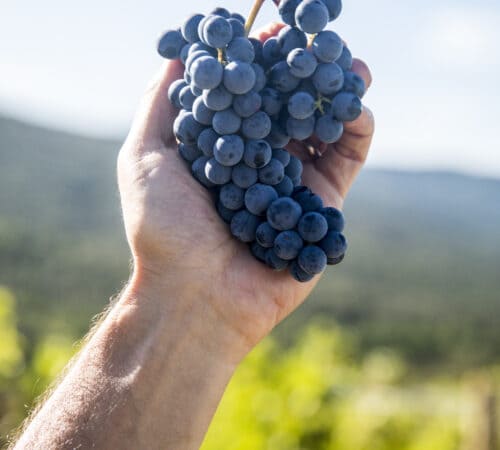
This world-renowned grape variety is known for its powerful tannins and impressive aging potential. Cabernet Sauvignonwines are characterized by high astringency and complex flavor profiles that become softer and more harmonious over time.
Merlot
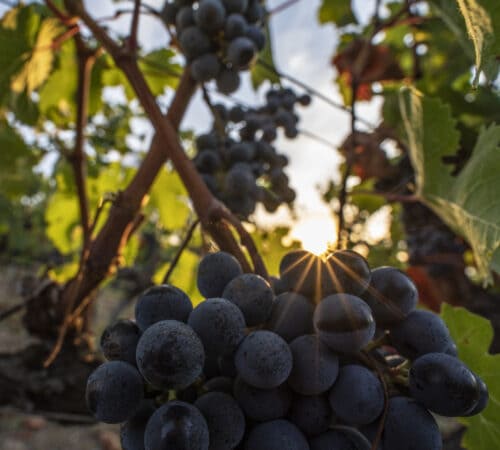
Obwohl Merlot tendenziell weniger tanninhaltig ist als Cabernet Sauvignon, gibt es dennoch Weine mit starkem Tanningehalt aus dieser Rebsorte. Ein solcher Beispiel ist der Strido, which is known for its firm tannins and structured mouthfeel.
Syrah
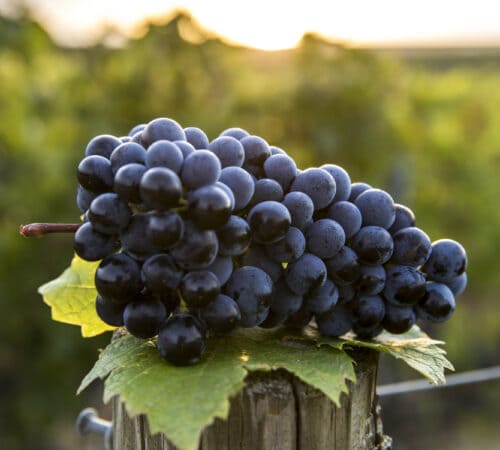
This versatile grape yields wines with balanced tannins and a rich structure that can contain both fruity and spicy notes. Syrahwines offer a particularly intense taste experience and long aging potential.
Montepulciano d’Abruzzo

The Montepulcianogrape is notorious for its high tannin content. Wines from this variety offer intense astringency paired with strong fruit aromas, making them an exciting accompaniment to spicy dishes.
These grape varieties have a high tannin content, which contributes to the structure and complexity of their wines. Whether for a cozy dinner or a wine tasting, wines from these grape varieties offer you a unique sensory experience.
Tannins and the Duration of Wine Aging: How Time Influences Their Character
Tannins play a crucial role in the structure and character of wines. Interestingly, the profile of tannins changes significantly through the aging process. Here are important aspects that illustrate the influence of aging on tannins:
Soft Tannins Through Aging
Aging is a key factor that influences the texture and mouthfeel of tannins in wine. Over time, tannins polymerize, which means they combine to form longer molecular chains that are softer and silkier in taste.This process contributes to a rounded and harmonious wine experience that goes far beyond the initial astringency.
Improved Clarity and Stability
Tannins contribute not only to the taste but also to the clarity and microbiological stability of the wine. They bind turbidity and impurities, which settle over time, leading to a clearer wine. In addition, tannins have antioxidant properties that help prevent reduction aromas – undesirable odors caused by lack of oxygen. This promotes the longevity and quality of the wine.
By understanding these factors, wine lovers and collectors can make informed decisions and better assess the aging potential of different wines. The role of tannins in wine is complex and multi-layered, and knowledge of their development can greatly enrich the wine experience.
The Role of Tannins in Pairing with Food: Impact on the Culinary Experience
Tannins play a central role in shaping the wine experience and can significantly influence how wine and food harmonize. Here are essential considerations on how tannins behave in combination with different foods:
Fat and Protein: A Balance to Astringency

Fatty and protein-rich foods can effectively mitigate the astringency of tannins.
Denken Sie an klassische Kombinationen wie ein saftiges Bistecca oder fetten Lachs zu einem tanninreichen Rotwein wie einem Cabernet Sauvignon. Die Fette und Proteine im Fleisch verbinden sich mit den Tanninen und reduzieren das trockene Gefühl im Mund, was ein harmonischeres Geschmackserlebnis bewirkt.
Salt and Bitterness: A Complexity of Flavors
Salty foods tend to amplify the perception of bitterness in wines high in tannins. This combination can lead to an undesirable taste experience. For example, a particularly salty selection of blue cheese could accentuate the bitter character of a young, tannic wine like Shiraz. Being aware of this can help when planning menus to create balanced pairings.
Flavor Compensation: Intense Wines – Intense Foods
Wines rich in tannins often pair excellently with strong, intense flavors. Grilled meats, mature cheeses, and dark chocolate are ideal partners for tannins, as they enhance their robust flavor while balancing the tannin-induced dryness in the mouth.
For example, a Nero d’Avola or a Cabernet Franc can harmonize surprisingly well with a slice of strong Gouda.
With a precise understanding of these key interactions, you can elevate both the wine and the culinary experience to a new level. The art of wine and food pairing lies in the balance and understanding of the chemical interactions that shape the experience.
Manipulating Tannin Content: Techniques and Their Impact on Wine Style
Tannins are a crucial factor in shaping the character and flavor profile of wines. Winemakers can specifically control the tannin content of their wines through various methods, thereby influencing the style of the final product. Here are some of the most important techniques for influencing tannins and their effects on the wine style.
Extraction Methods: Precisely Controlling Tannin Levels
The way grapes are pressed and the juice is fermented plays a crucial role in tannin extraction. During maceration, when the grape skins and seeds come into contact with the must, tannins are released. By varying the pressing intensity and the length of the maceration period, winemakers can precisely control the tannin content in the wine. The longer the grape skins remain in contact with the must, the higher the tannin content.
Oak Aging: Integrating and Softening Tannins
The use of oak barrels for aging wine is a proven method for integrating and softening tannins. The wood of the barrels not only provides additional tannins but can also make existing tannins smoother. In addition, oak aging adds complex aromas such as vanilla, caramel, and smoke, which enrich the depth and character of the wine.

Maceration: Duration and Temperature Influence Tannins
The duration and temperature of maceration during fermentation have a significant impact on the amount and quality of tannins extracted. A longer maceration at a lower temperature can lead to a more balanced tannin content, while a shorter or warmer maceration results in more intense, but possibly harsher, tannins.
Clarification and Filtration: Smoothness Through Technique
High tannin levels are not always desirable. Techniques such as clarification and filtration can remove excess tannins to make the wine smoother and more accessible. Additives such as egg white or bentonite bind tannins and other solids, which are then removed to create a clearer, easier-to-drink wine.
These various techniques are crucial in shaping the character and complexity of wines. Through a well-founded understanding and the targeted application of these methods, winemakers can control the tannin content and produce wines that range from light, fruity flavors to powerful, full-bodied experiences.
Summary
Winemakers use various techniques to influence the tannin content in wine, including extraction methods, oak aging, and maceration. These methods shape the character and complexity of the wine. Tannins play a crucial role, giving the wine structure, aging potential, and a unique flavor.
Experience tannin-rich wines in our online shop. These powerhouses offer an intense depth of flavor and are perfect for wine lovers looking for a full-bodied and structured wine experience:


Discover the strength of our tannin-rich wines and find your new passion in our carefully curated selection. Visit https://labbrarosso.com/ for more information and to place your order!